






Get the Guide
Diastasis Recti Core Guide

Rebuild your core. Reduce leakage and back pain. Feel like your body is working with you again.

So you can move, lift, and exercise with more confidence.

As featured on
Who the DR Core Guide is for

Is this you?

Your core can need support at any age or stage. You may recognize yourself in one or several of these experiences.

  • Your core feels weak or unsupported

    You notice a gap or softness through your midline, struggle with posture, or feel like your core is not supporting you the way it should.

  • Your belly is rounded or protrudes

    You notice a lower-belly pooch, a rounded shape through your abdomen, or feel like your stomach protrudes and bloats easily.

  • Symptoms show up in everyday life

    You deal with bladder leakage, pelvic heaviness, low back pain, hip instability, or doming when you move.

  • Your season of life has changed, and your core is still struggling

    You are pregnant, postpartum, years beyond, or navigating perimenopause or menopause and want to rebuild connection and strength.

  • You notice it when you exercise

    You see doming while lifting or working out, feel unsure which exercises are appropriate, or want to progress without second-guessing your core.

Whether you're just beginning, returning to exercise, or already an experienced lifter, the DR Core Guide helps you start at the level that is right for you.

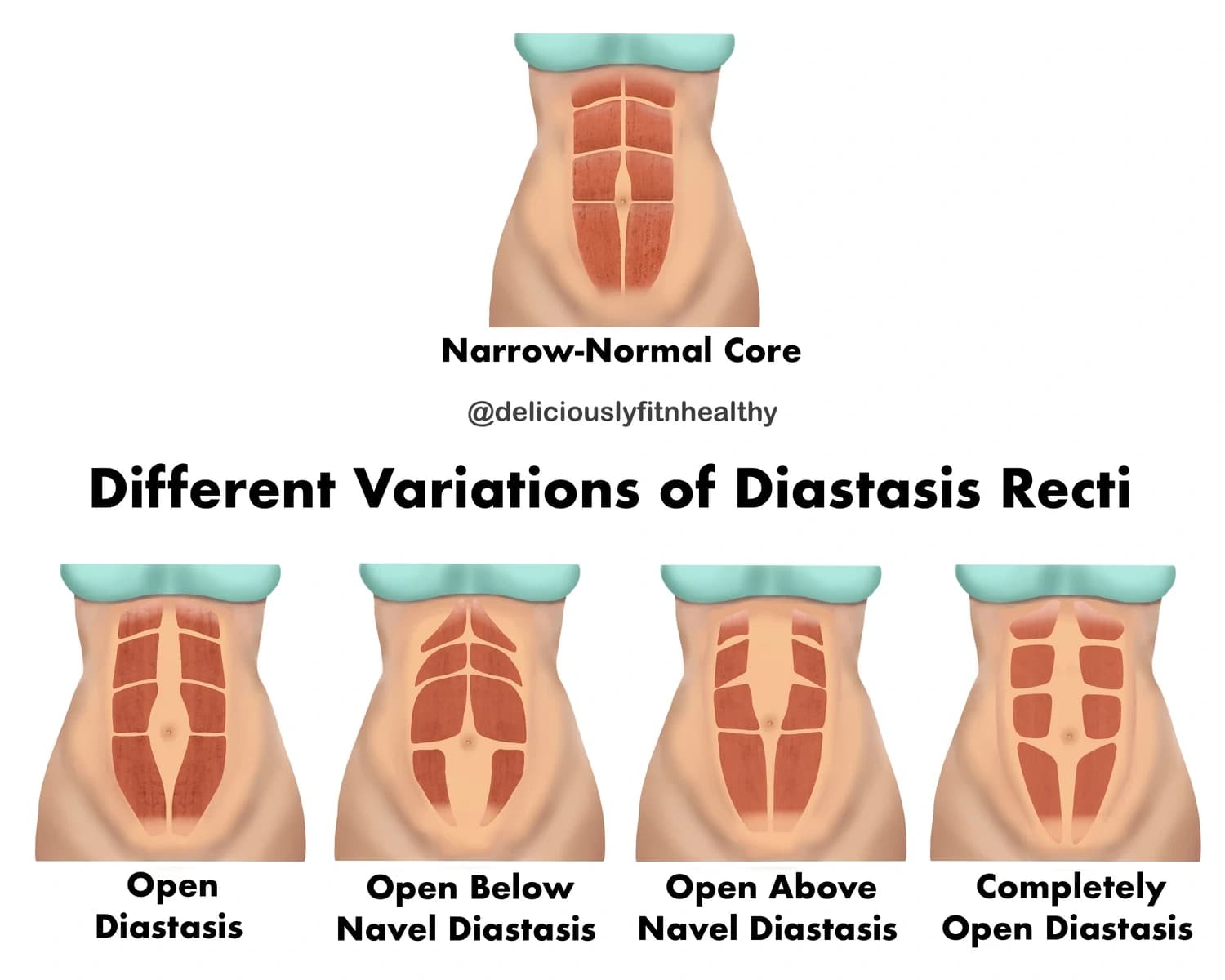
Illustration comparing a narrow-normal core with four variations of diastasis recti: open diastasis, open below the navel, open above the navel, and completely open diastasis
Diastasis recti doesn't look the same on everyone. The guide starts by helping you understand yours.

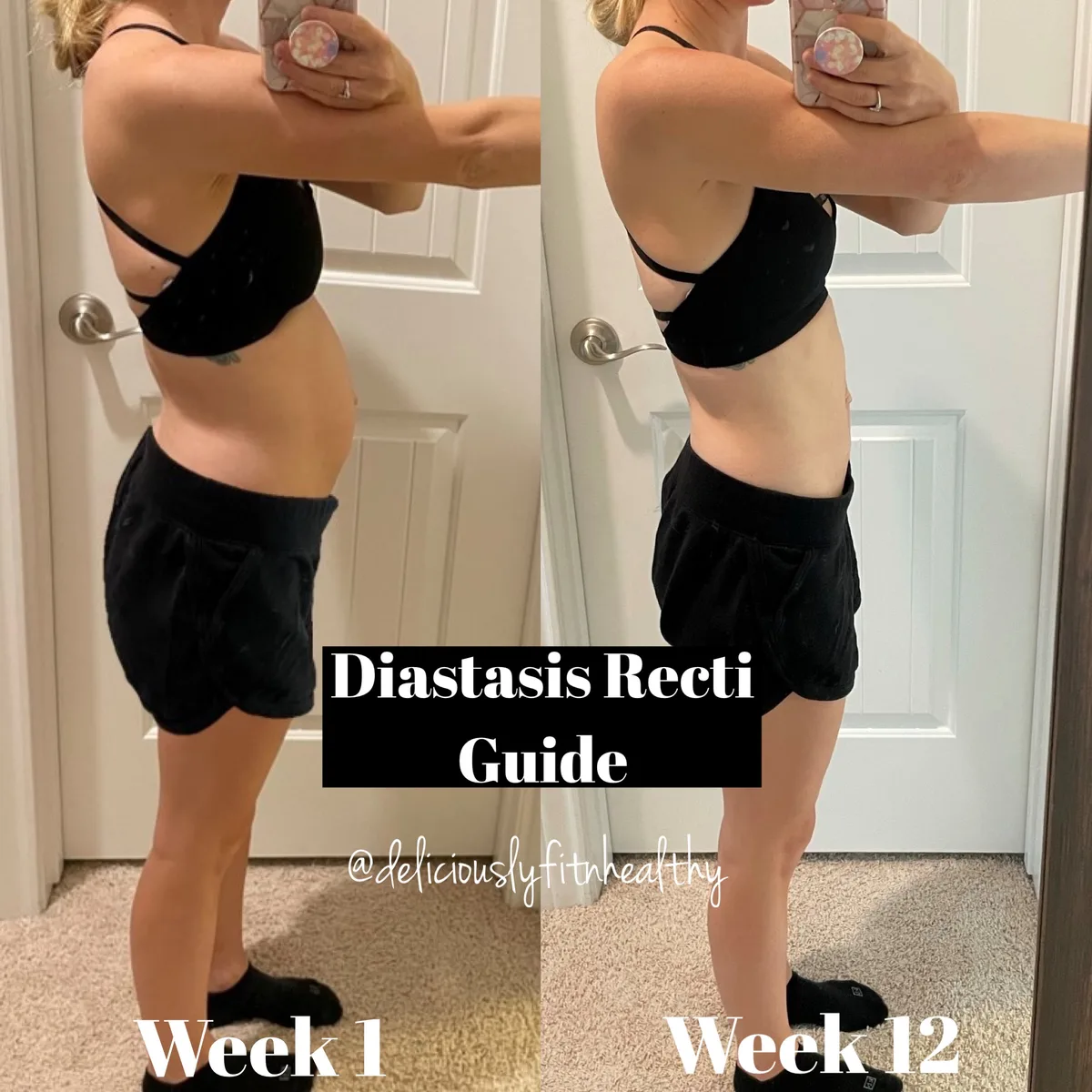
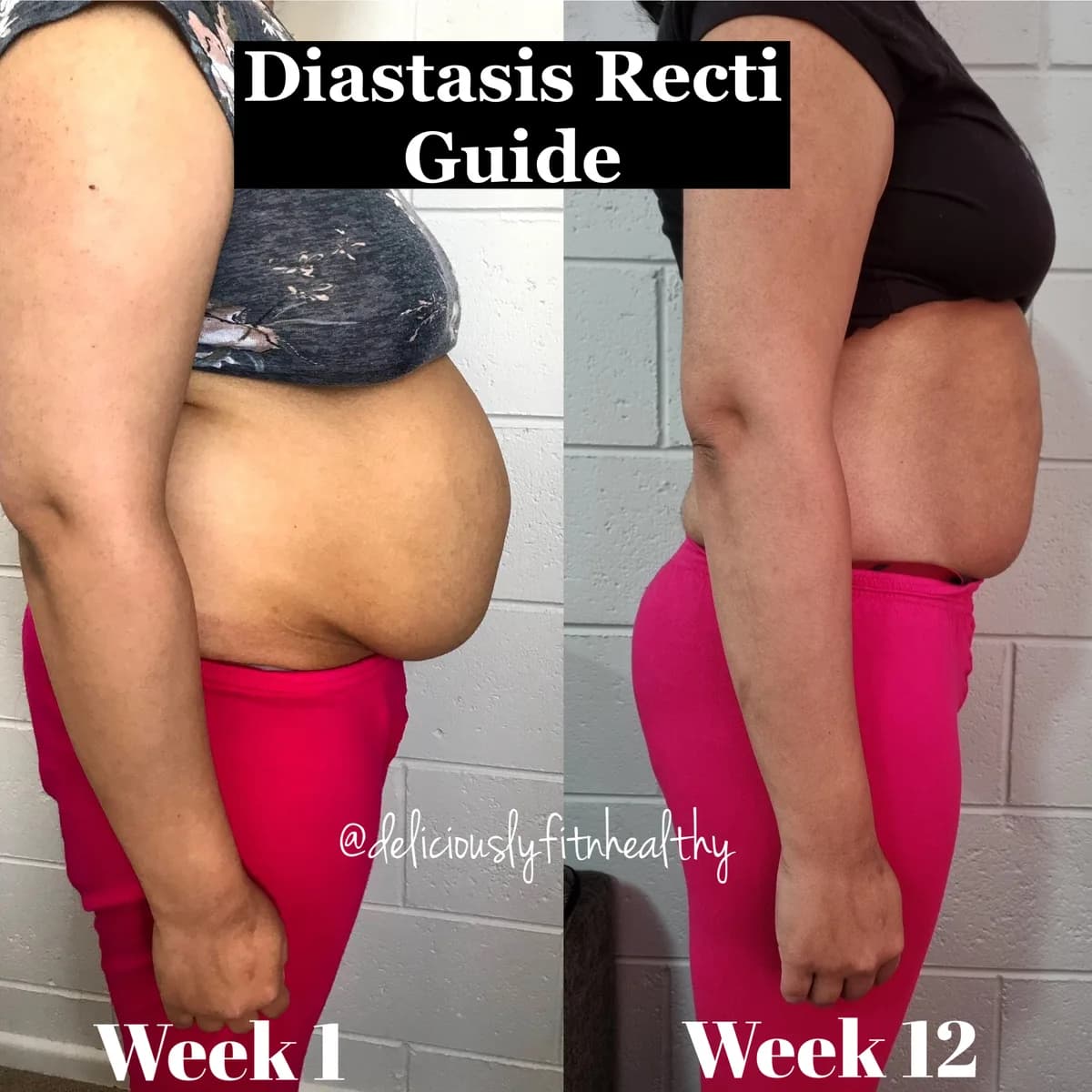
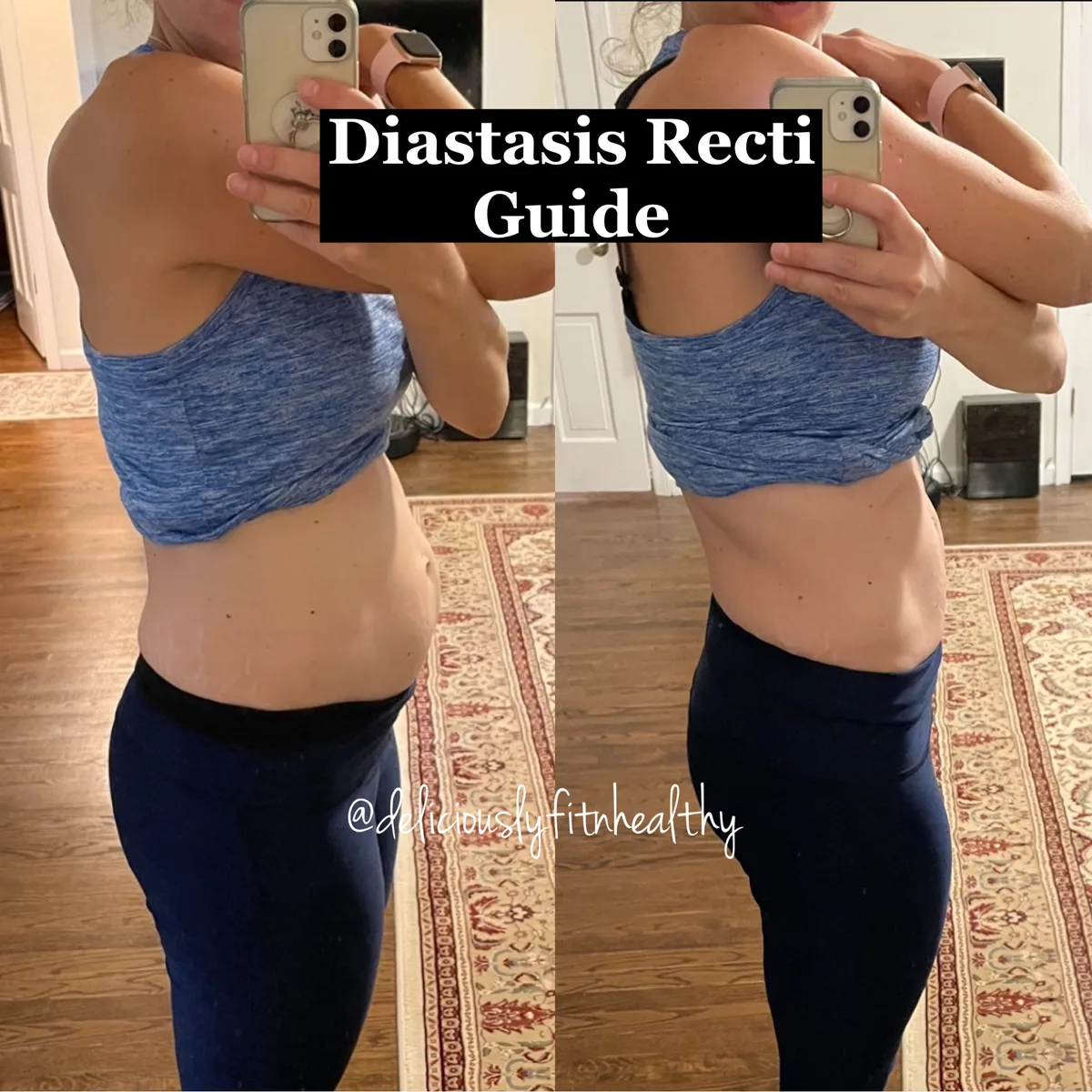
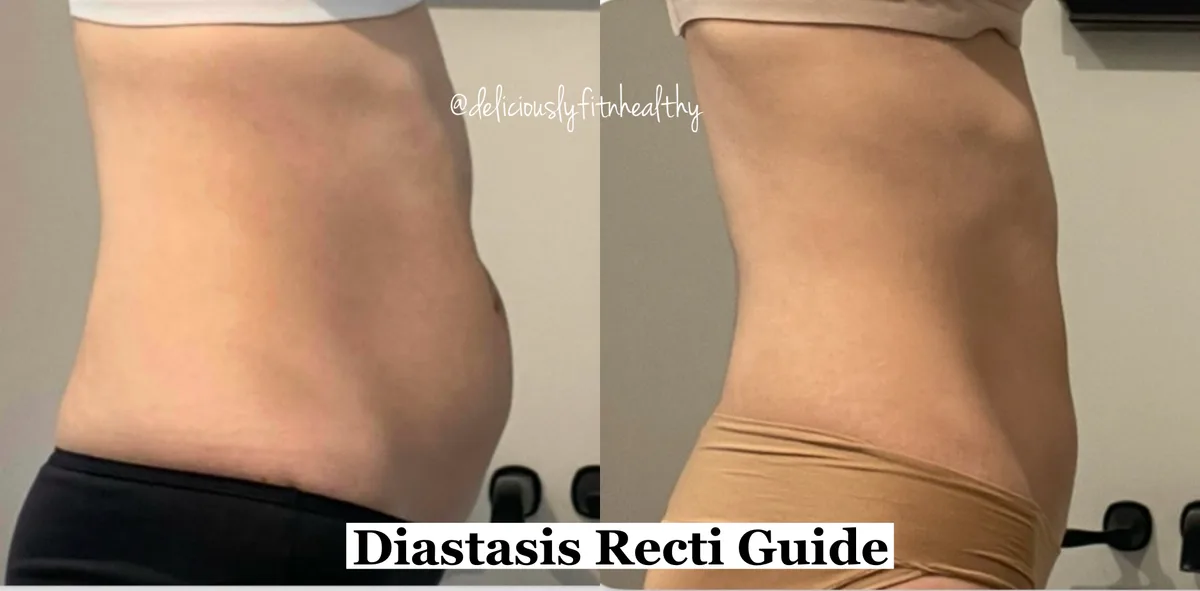
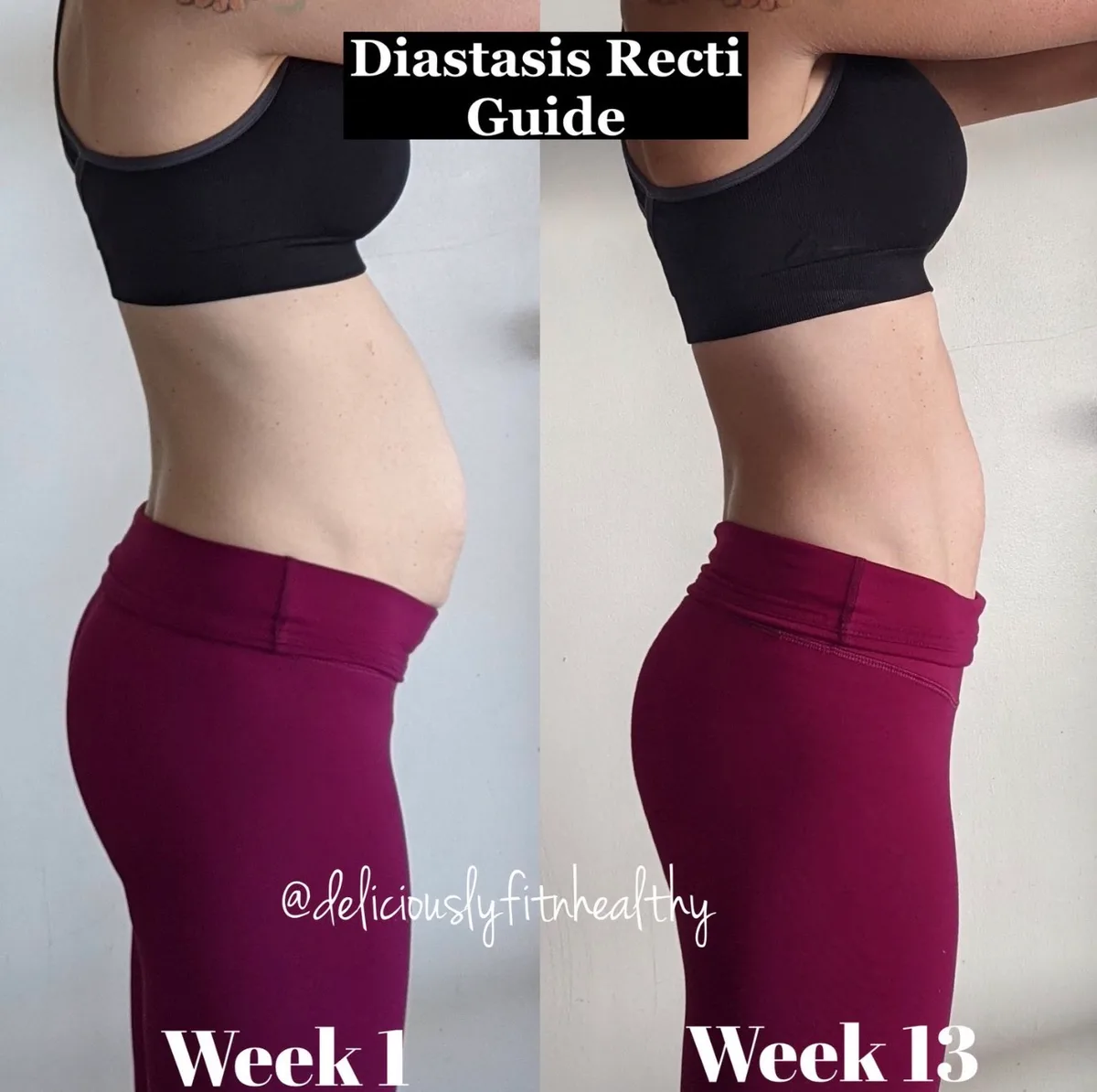
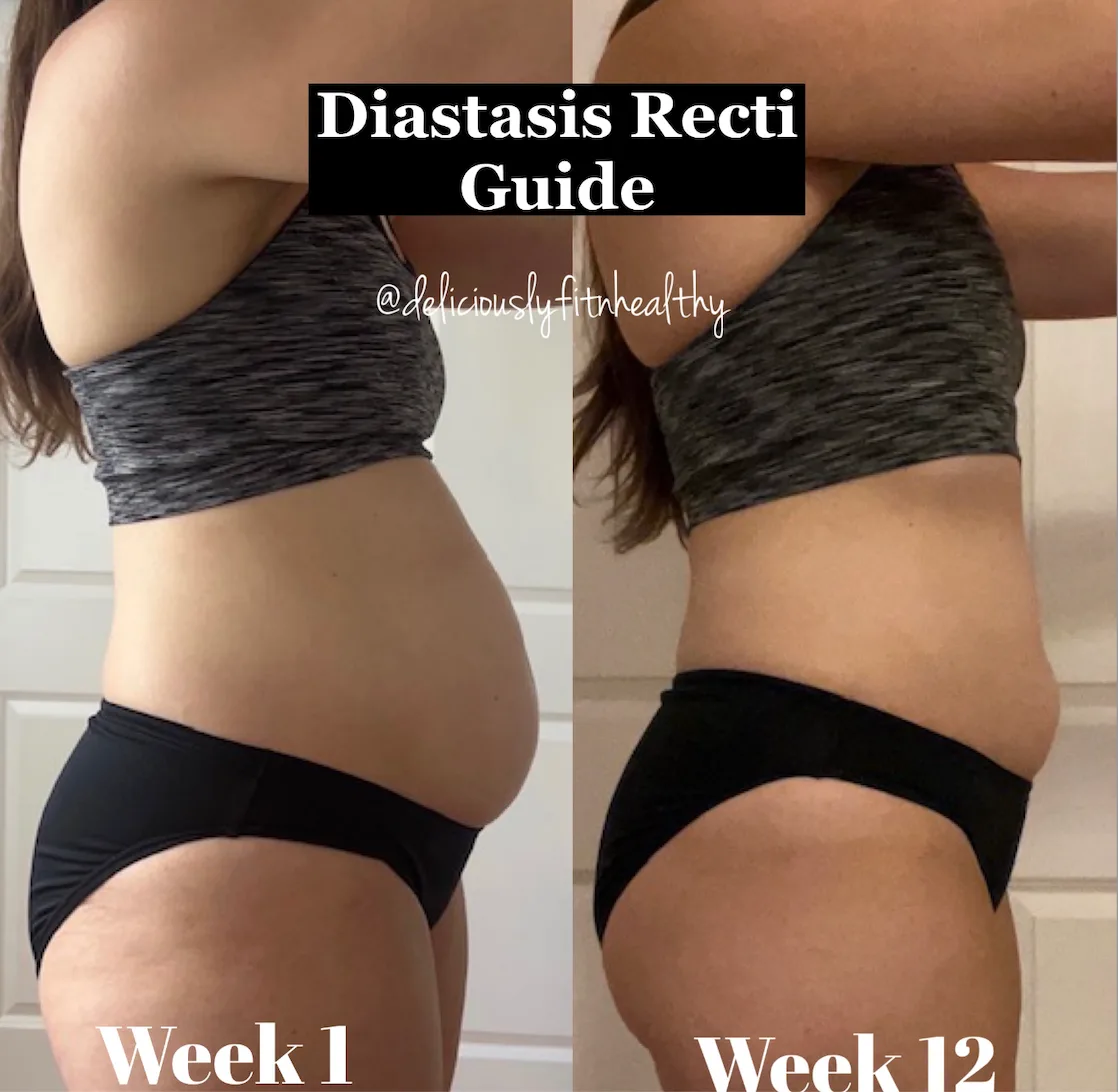
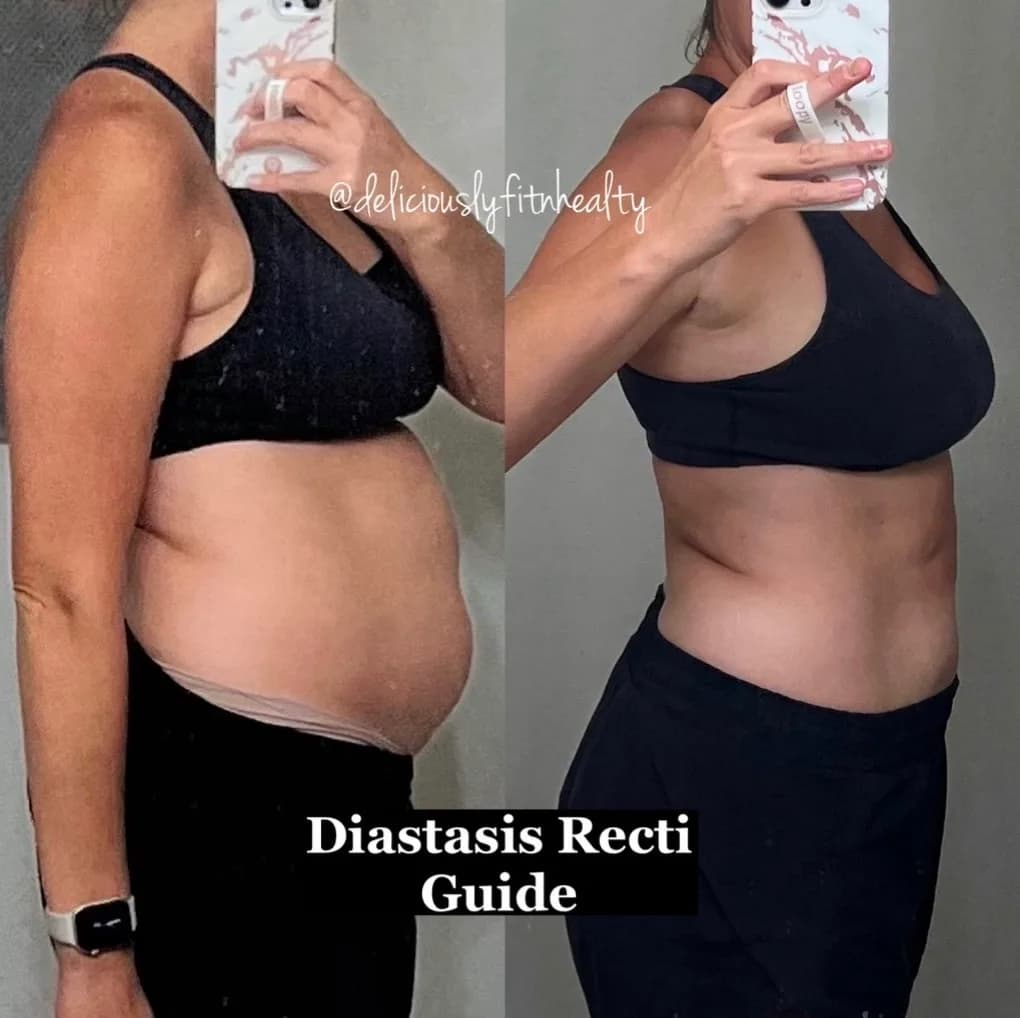
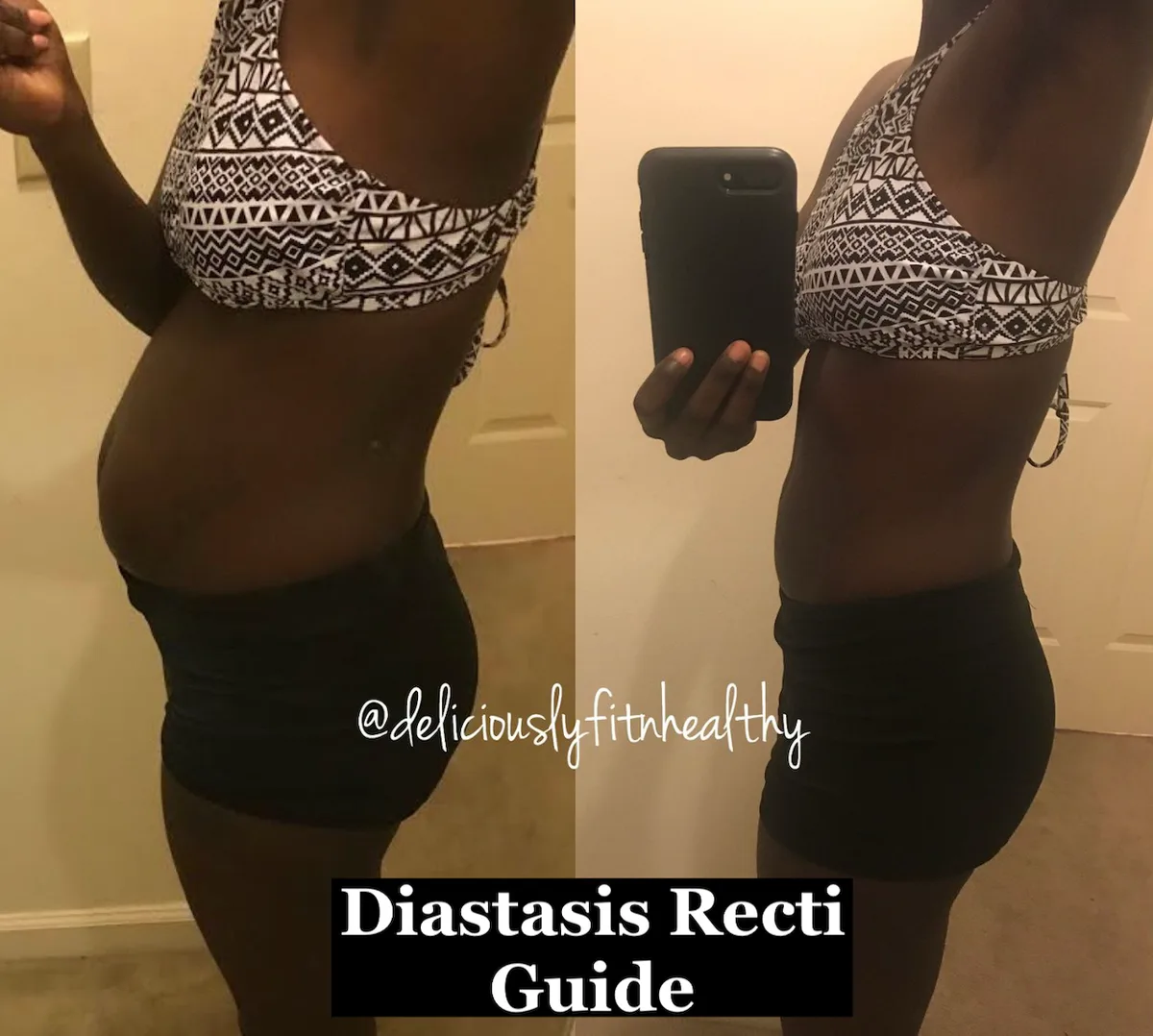
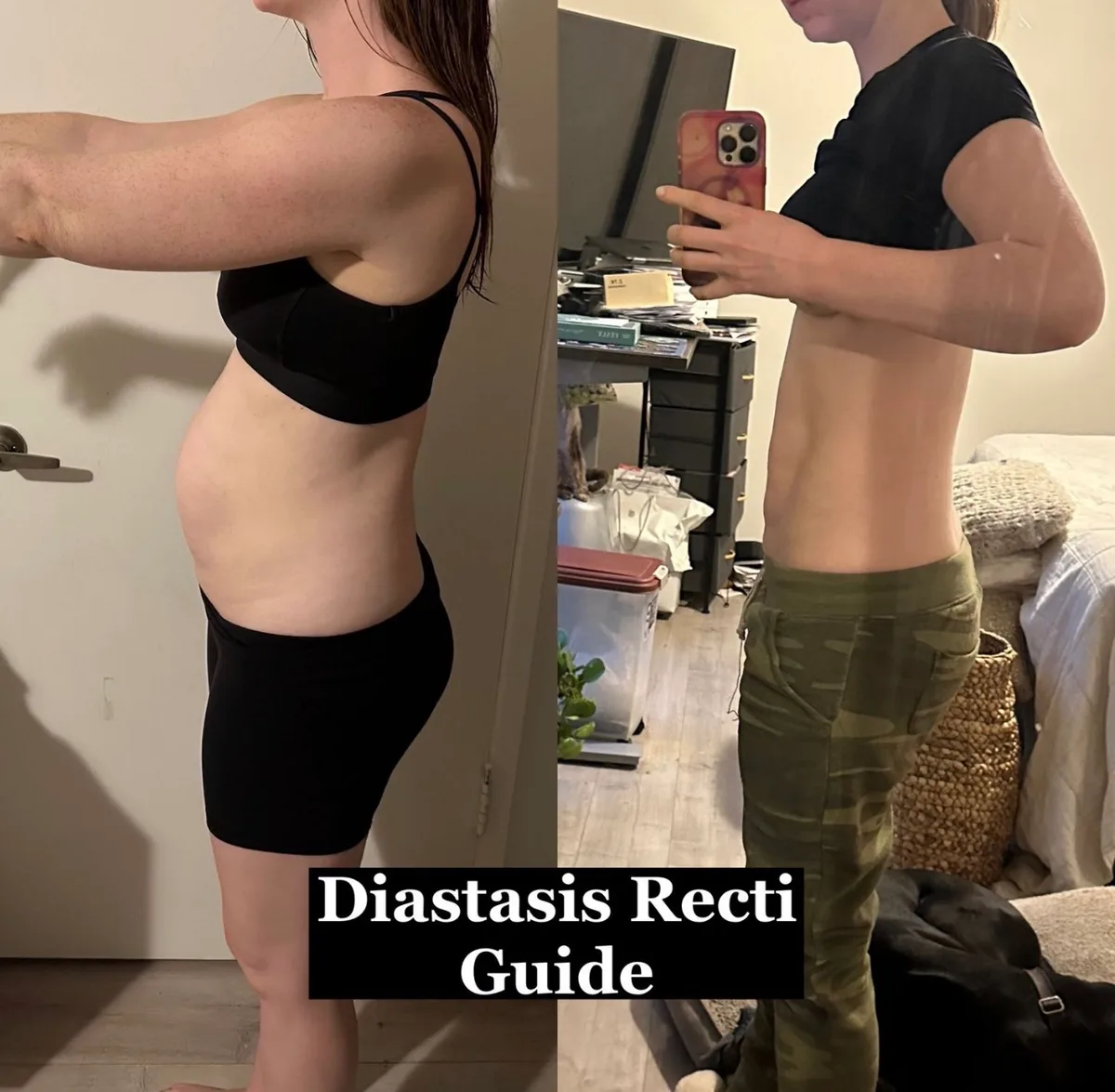
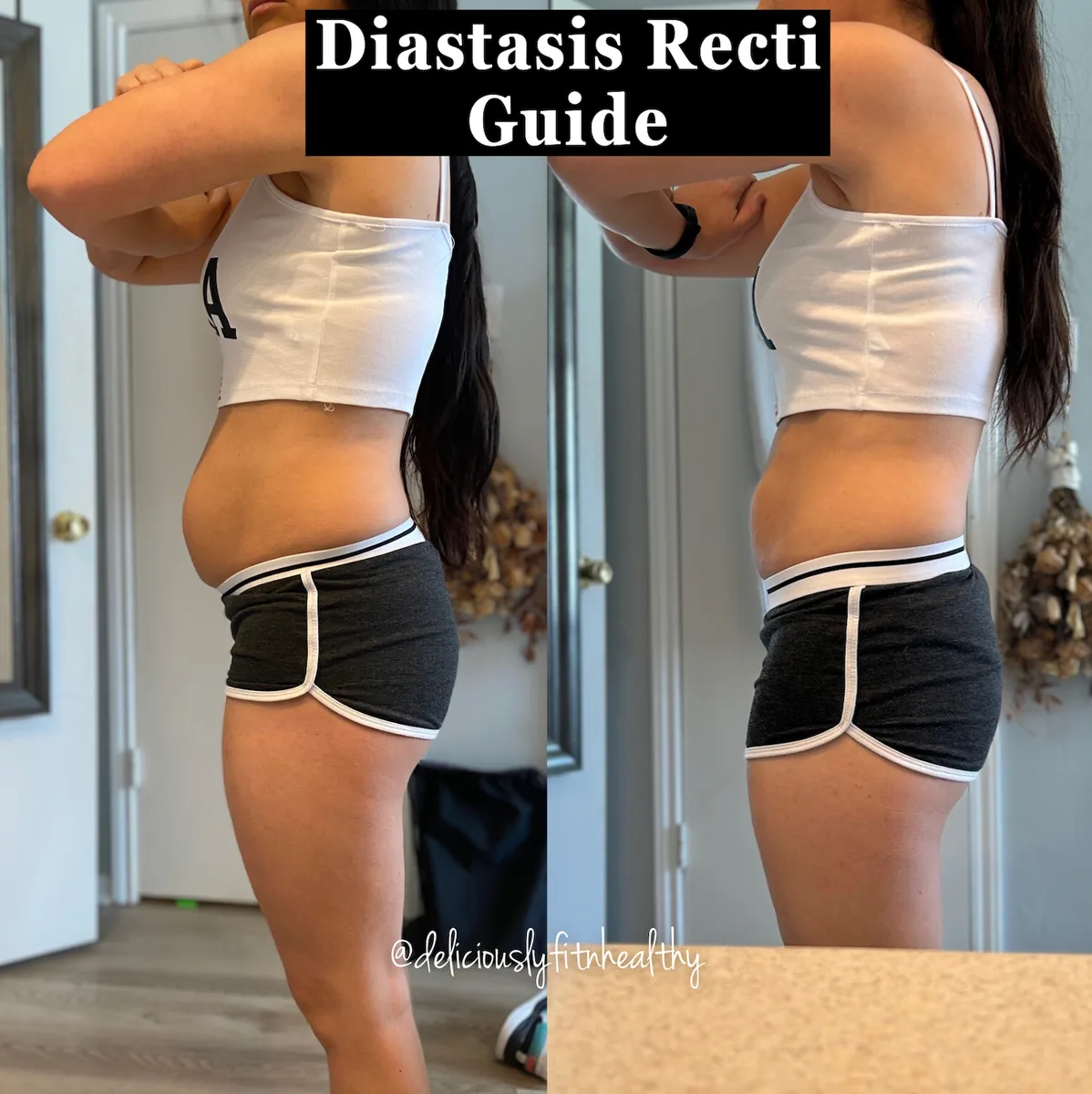
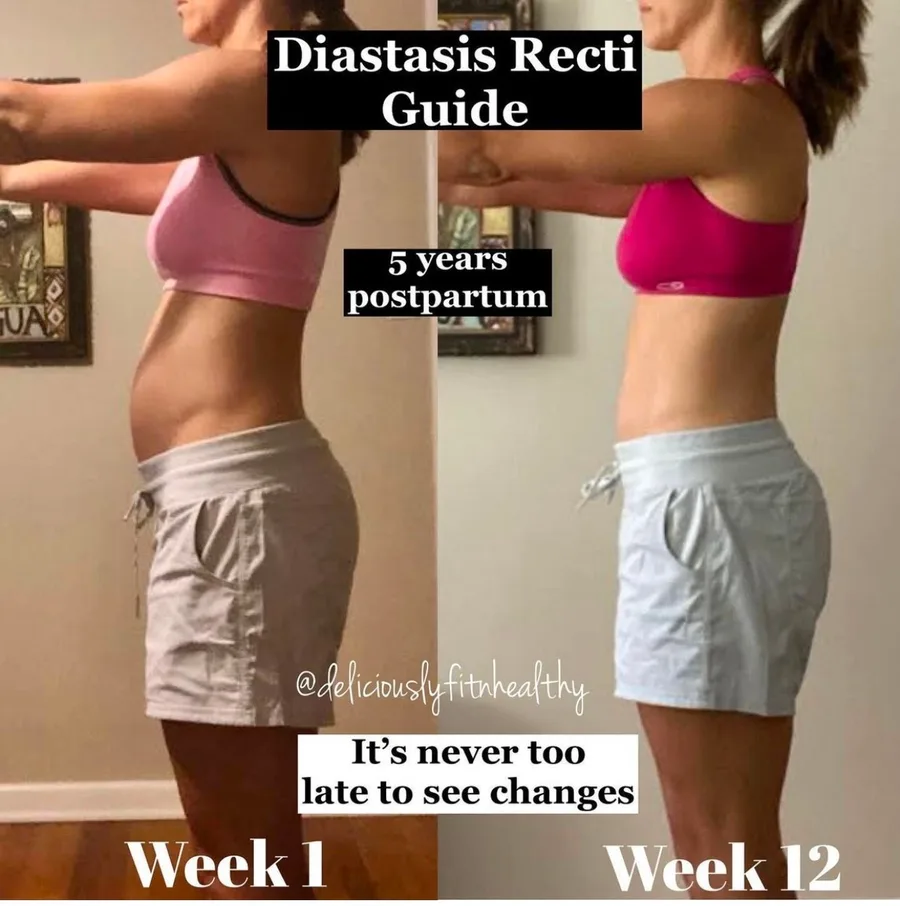
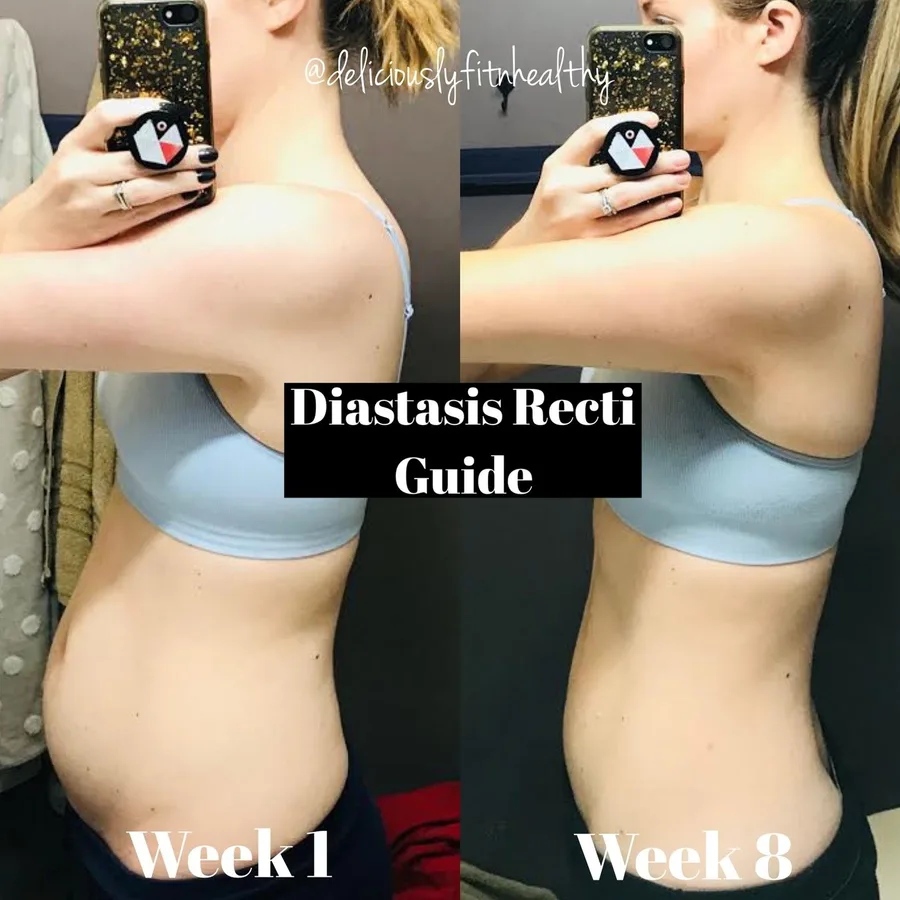
27,500+ women have used this guide to see improvements in their core

Here are their stories. It's not an "add more ab work or eat less food" fix.

Andrea Allen sitting on a studio floor with her four girls, all laughing together, a kettlebell beside her
Why I created the DR Core Guide

Out of my own struggle came deep passion for this...

I developed diastasis recti during my pregnancy with my twins. Even as a certified personal trainer, I felt lost and confused about what was actually helping or hurting my core. It was overwhelming and I felt alone.

After getting additional certs in diastasis recti, I created the Diastasis Recti Core Guide I wish I'd had: clear education, short progressive workouts, and a path to feeling strong and connected to your body again.

— Andrea

In the Diastasis Recti Guide method we Connect. Strengthen. Progress.

Inside the guide I walk you through an easy to follow 3 step method.

  1. Andrea standing with both hands on her lower abdomen, demonstrating diaphragmatic breathing and deep-core connection
    1

    Connect

    Learn how your breathing, pelvic floor, and deep core work together.

    Build your foundation through diaphragmatic breathing, rib position, pelvic-floor awareness, and transverse-ab connection. This connection becomes the springboard for everything that follows.

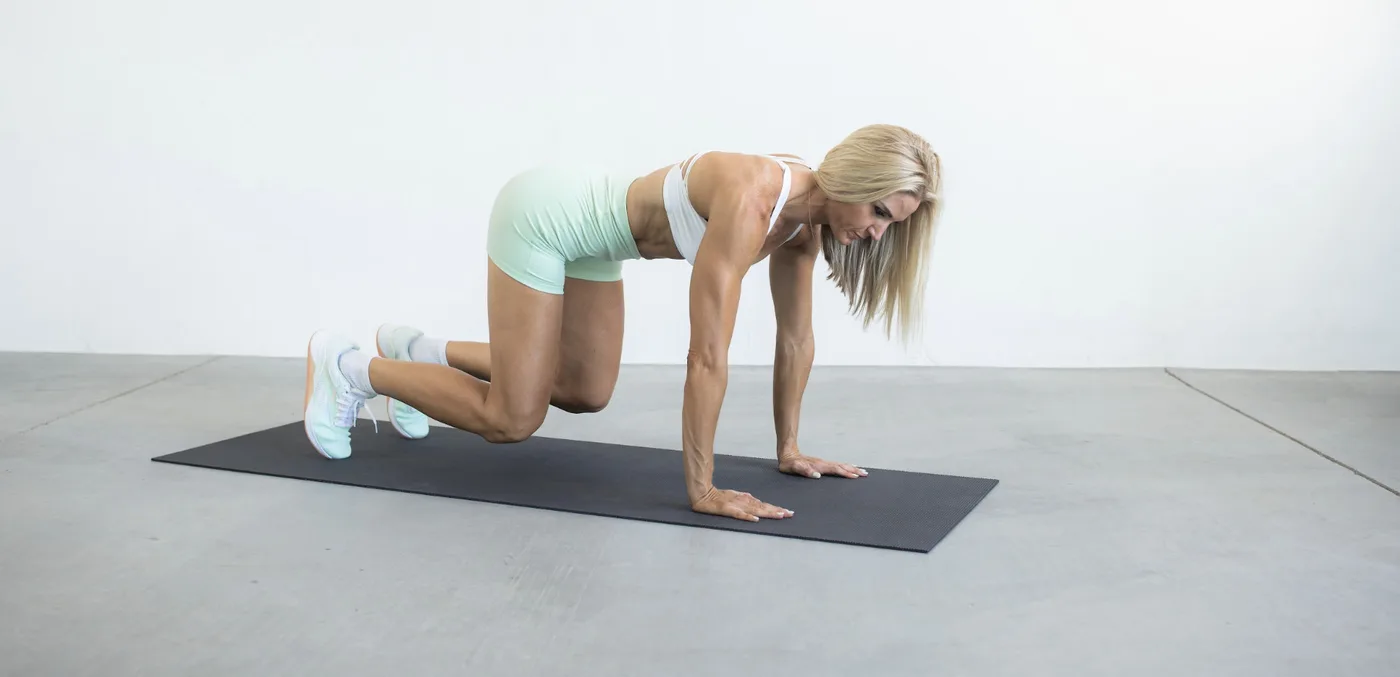
  2. Andrea holding a bear plank on a mat, hands under shoulders and knees hovering, demonstrating a progressive deep-core strengthening exercise
    2

    Strengthen

    Build strength without guessing which exercises are right for you.

    Follow short, progressive workouts with beginner, intermediate, and advanced options. Start at the level that is right for you and add more challenge as your connection and strength improve.

  3. Andrea in a weighted lateral lunge, carrying her core connection into full-body strength training
    3

    Progress

    Bring your core connection into strength training, cardio, and everyday movement.

    Learn when to progress, when to modify, and when to add more challenge so you can continue to see and feel changes in your core.

This is more than a collection of random core exercises. It is a clear method that teaches you how to connect, build strength, and confidently move forward.

Real core transformations happening every day

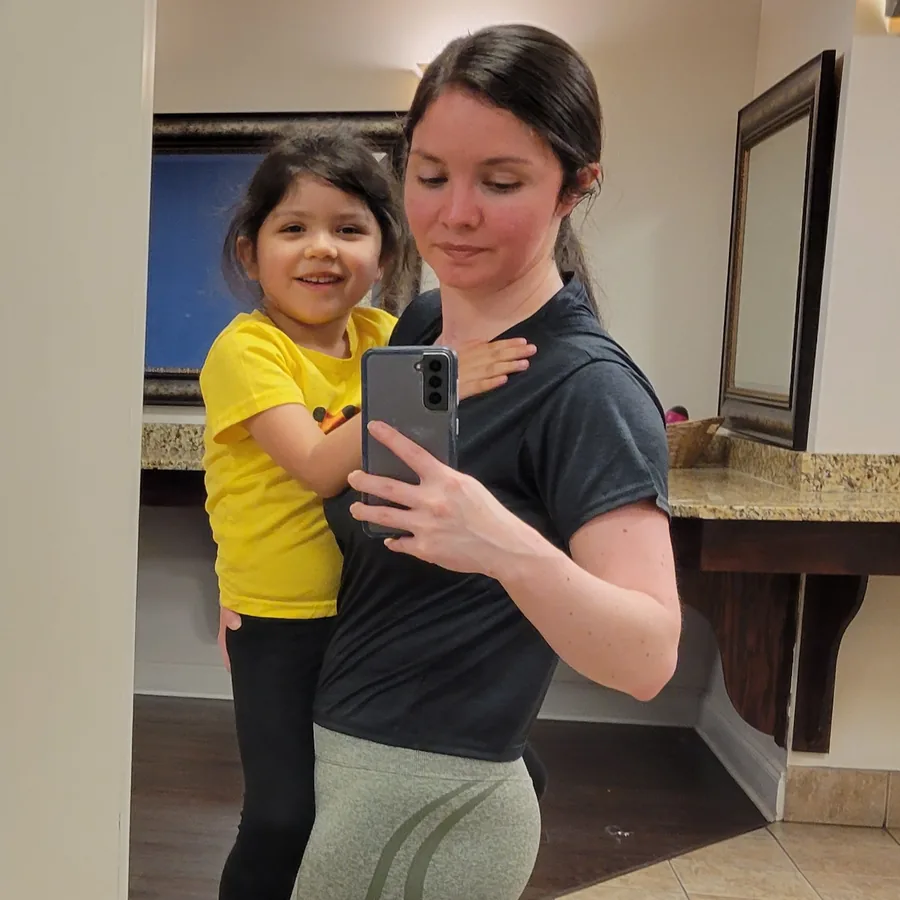
  • Five-star review from Mayra B, headed “Back Pain was Unbearable and has improved”, beside a photo of her holding her daughter. She writes: “I could no longer carry my daughter because the back pain was unbearable. I was scared to workout because I did not know how to do it safely while protecting my core. Without your guide and breathing techniques, I would have never had the confidence to get in the gym and build the strength to be able to do something as simple as carrying my daughter.”
  • Five-star review from Laurinda W, headed “Heaviness reduced while running”, beside a photo of her walking a coastal trail holding her toddler's hand. She writes: “The improvement I felt happened so fast. Within the week the heaviness I felt started to disappear, it was a huge relief as that run on the sand made me feel like I had really done damage. I am so thankful for your program, I have learnt so much, I am more mindful about bending, lifting — just the way I do everything!! I am feeling so much better that I have even started doing short workouts (with very light weights!) on top of this program which makes me so so happy, I never thought I'd be able to workout like I used to again but I now believe I'll mostly get back to it.”

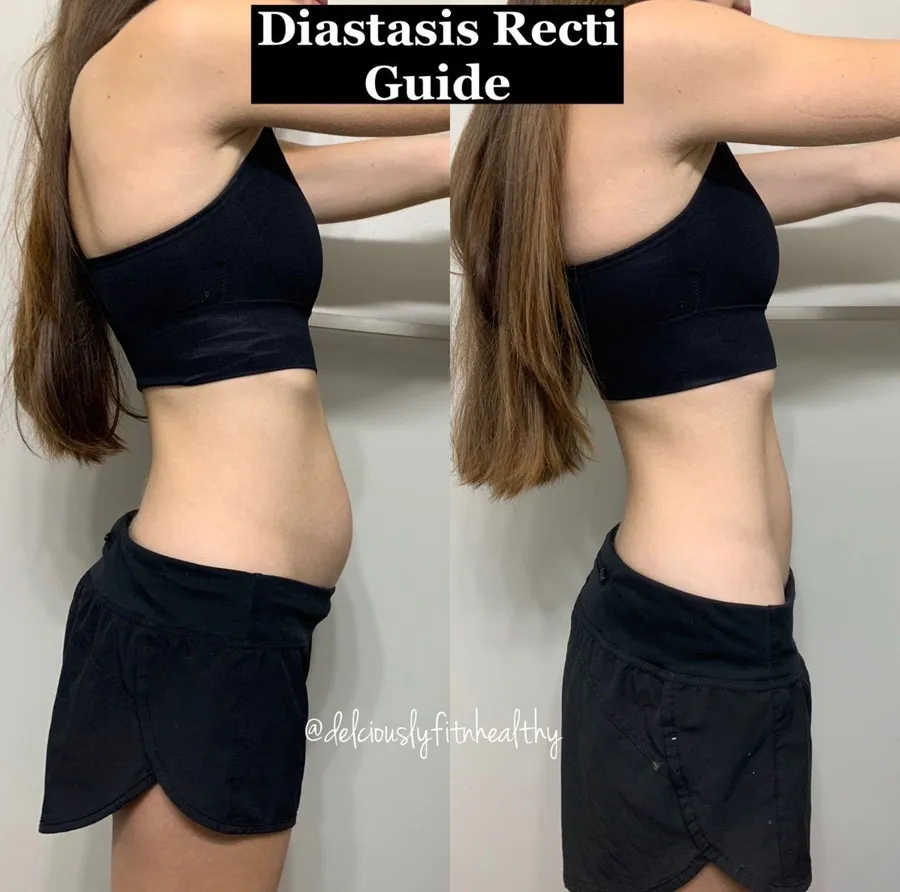
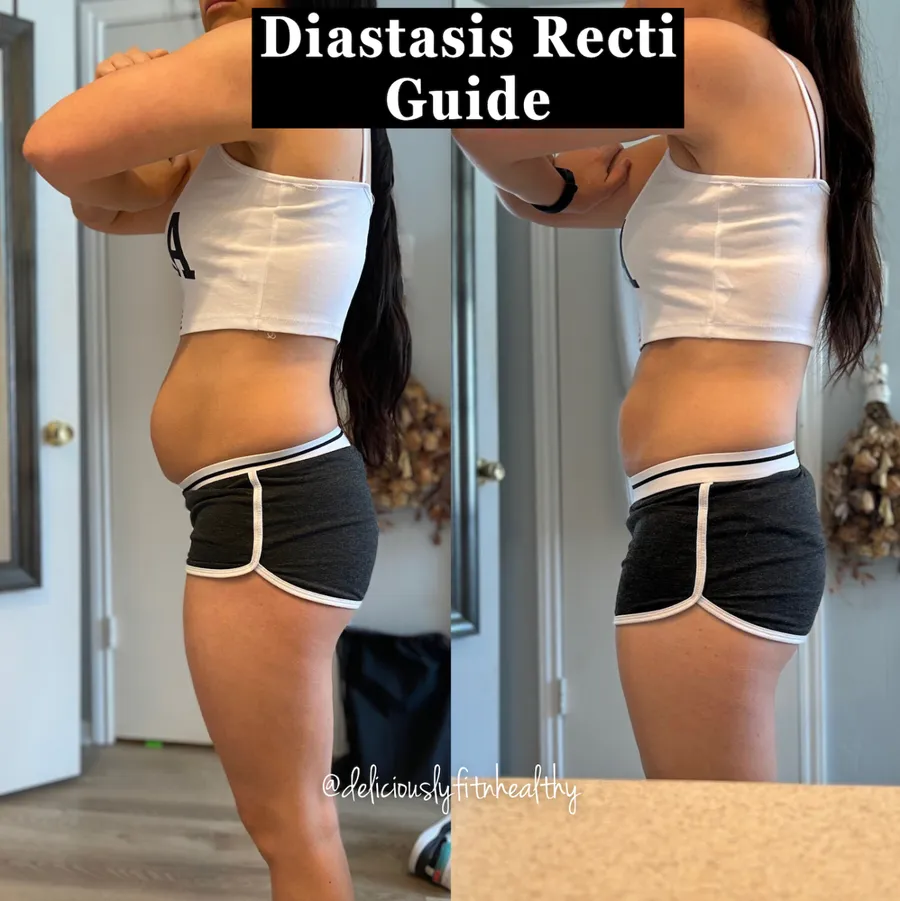
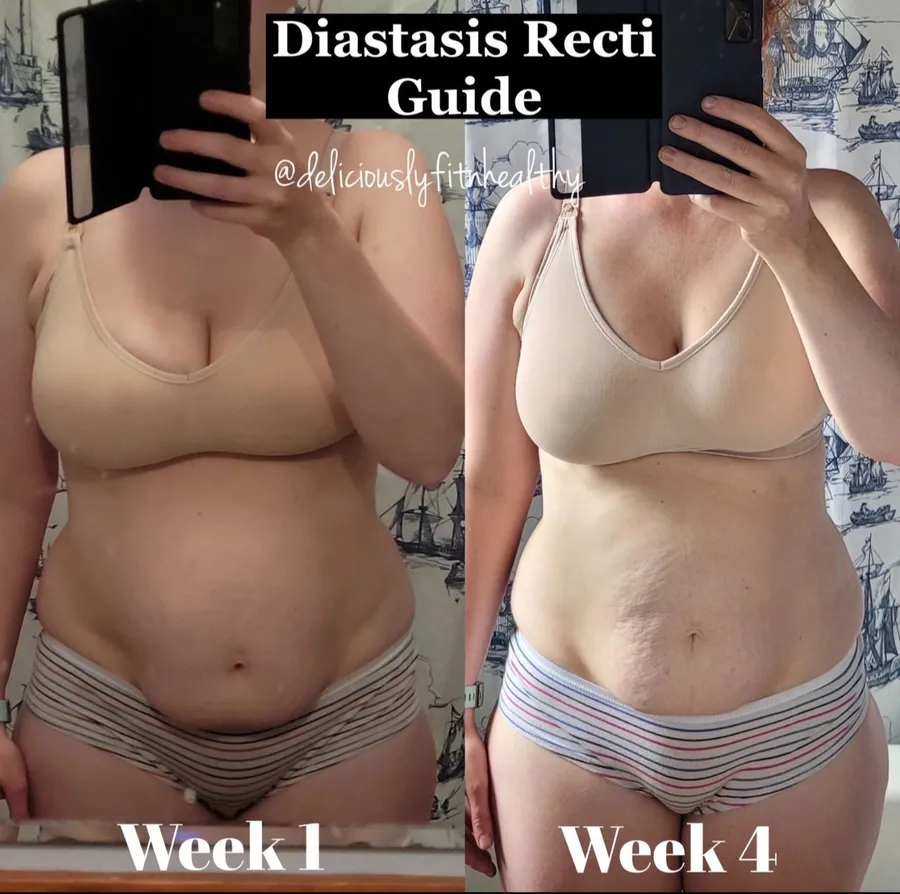
Before and afters

In their own words

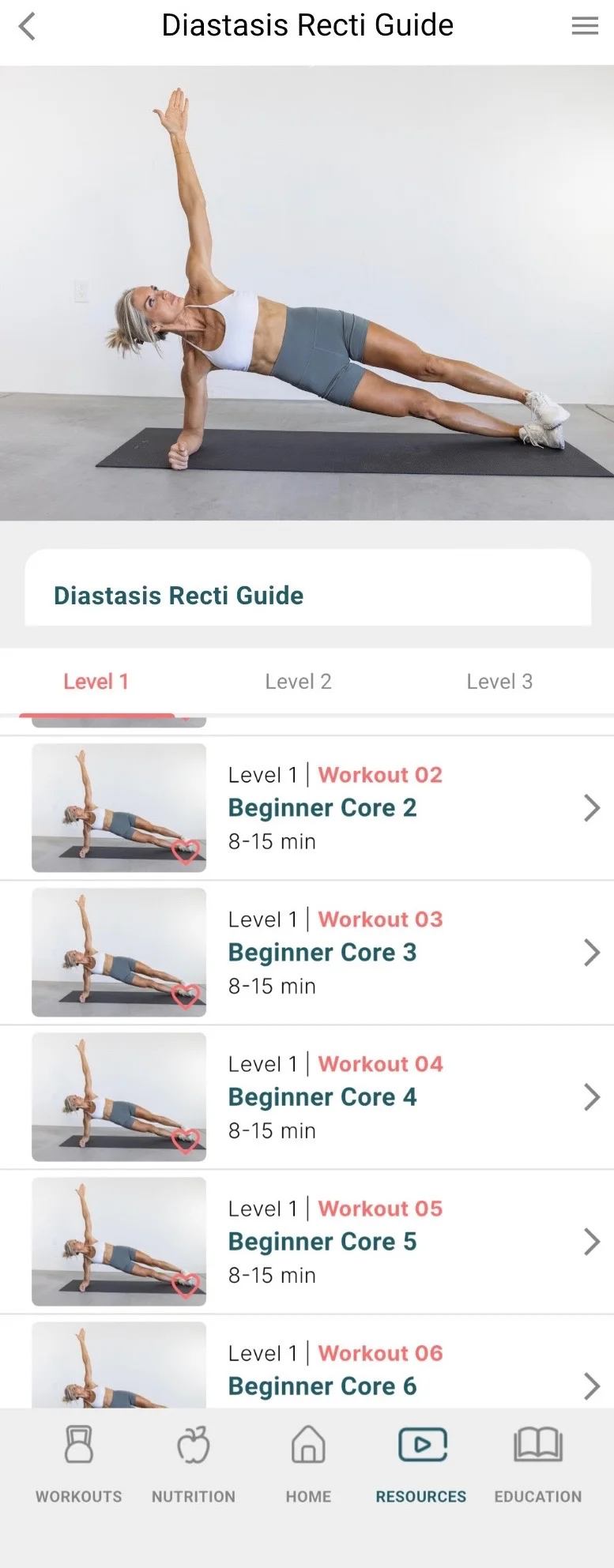
The DR Core Guide e-course open on a tablet next to the Diastasis Recti Guide workouts in the Make Fit Simple app on a phone
Everything you get

Get lifetime access to the Diastasis Recti Core Guide

  • 13 educational video modules
  • 45 progressive deep-core workouts
  • Beginner, intermediate, and advanced options
  • The core workouts can be done on the web version or inside a private core guide section inside my Make Fit Simple app
  • Minimal equipment: Mini loops • Long band • Small ball • DumbbellsAn exercise ball is optional.
See all 13 modules
  1. Why you need to listen to your body
  2. What is diastasis recti?
  3. Diaphragm breathing
  4. Rib flare
  5. Understanding if the pelvic floor is tight or weak
  6. Connecting to and finding the pelvic floor
  7. Connecting to the transverse abs (deep core muscles)
  8. The core and your daily activity
  9. Diastasis and building safe strength-training workouts
  10. Cardio with diastasis recti: how to modify
  11. Physiotherapist tips
  12. How to know when to progress
  13. Nutrition and diastasis recti

All this for only…

$128
Payment
One-time, no subscription
Access
Yours for life
Where
Online or in my app

Where should we send your access?

Your access is delivered by email right after checkout and it never expires. Backed by a 24-hour money-back guarantee.

Questions

Frequently asked questions

How is this different from your app?

My Make Fit Simple app is full-body workouts with deep core mixed in, and it's a subscription. The DR Core Guide is a step-by-step plan of just core work to help you heal, and it's a one-time purchase. You can do the guide's workouts inside the app without an app subscription.

Is this appropriate for beginners?

Yes — it's perfect for laying the foundation and helping you progress. You start with connection and breathing before anything else, then build from there at your own pace.

How do I know when I can move on to harder levels?

There's a "knowing when to progress" checklist inside the guide to help. You'll know exactly what to look for and feel for before you add more challenge, so you're never guessing.

What if I'm years postpartum?

Improving your core can happen at any age and any stage. Whether it's been 4 months or 40 years — or you never had a baby at all — your core can still change.

What equipment do I need?

Mini loops, a long band, a small ball, and dumbbells. An exercise ball is optional. Everything is designed for home.

How much time does it take?

5–12 minutes, 3–4 times a week. The education modules are short too, so you can fit this into a full life.

How long do I have access?

Forever — no subscription needed. You can follow along in the online version or in my Make Fit Simple app.

What if I'm pregnant now?

That's great. All of the education sections will help you now, through labor, and after. Once you're past your first trimester, if you don't feel great lying on your back, prop a pillow under your upper back — and the standing, side-lying, all-fours, and kneeling moves will all feel great.

How long until I see improvements?

It varies: the width and depth of your diastasis, and how consistent you are. There's no set answer, but if you're consistent I have no doubt you'll see and feel improvements. Some women notice changes in as little as a few weeks, with more over time.

You don't have to keep guessing what your core needs

If you've been piecing together random exercises, avoiding certain movements, and wondering whether you're doing the right things, I created the DR Core Guide to give you a clear path forward.

I make it simple: connect, strengthen, progress.

You can begin at the level that is right for you, build strength at your own pace, and learn how to confidently progress without constantly second-guessing your core.

I would love to help you understand your body, rebuild your strength, and feel like your body is working with you again.

— Andrea

Andrea outside at sunset with her four daughters gathered around her, arms around each other, a pair of dumbbells and a child-size kettlebell on the ground beside them
Get lifetime access to the DR Core Guide